

In Fallout Shelter: Wuchang: Fallen Feathers, combat isn’t just slashing and dodging—it’s mastering the mechanics that give you an edge. Fallout Shelter: Wuchang: Fallen Feathers’ greatest asset in your arsenal is the Obliterate Attack—a doomsday move capable of turning any battle around, whether against generic foes or towering bosses. Though the game doesn’t provide a full tutorial at the beginning, mastering the Obliterate Attacks is essential in creating good builds and making the most out of combat situations.
What Are Obliterate Attacks?

Obliterate Attacks are powerful finishing maneuvers triggered when an enemy is staggered. When you strike an enemy, you can observe a white round gauge when it builds up around them. This is the Obliterate meter. When charged, the enemy staggers—usually falling to their knees—and gives you a quick opportunity to perform the Obliterate Attack.
To play the move, you’ll need to close quickly to the staggered opponent. A slash marker appears over them, which will turn red when you’re about to strike. Position matters: you’ll generally need to be right in back of or facing directly in front of the opponent in order to trigger the animation. Executed, Wuchang executes a stern jab that deals massive damage, breaking enemy momentum and leaving you with a clear upper hand.
How to Obtain and Perform an Obliterate Attack

The key to initiating an Obliterate Attack is maintaining pressure. The Obliterate meter is charged when you consistently land hits, especially with powerful combos. On that note, the meter does not stay full forever. If you back away or let your guard down for a bit—fifteen seconds or so—the charge starts to drain and may reset all the way, even if the foe was nearly staggered.
To prevent this, you need to stay on the offensive. Quick and light attacks can fill up the progress of the meter so you can continue until your enemy drops. When they drop, you need to be quick. The Obliterate window is short, and hesitation will deprive you of the opportunity altogether.
Once landed successfully, the Obliterate Attack has another benefit as well. The attack knocks enemies back, giving you a brief moment of opportunity to back away, heal, or continue attacking while they recover. That moment of vulnerability can be invaluable, especially in tougher battles.
Stealth Obliteration

There’s also a sneaky method of Obliterating weaker enemies. If you jump from behind a small or medium enemy with a charged heavy attack, their Obliterate gauge will fill up instantaneously, staggering them in place. This allows you to break into an Obliterate Attack in one fluid motion—perfect for taking out durable enemies before they even get a chance to retaliate.
But this system won’t work against bosses. Only their Obliterate meters are designed to withstand some sort of prolonged combat stress and can usually be recast only once in a battle. However, using this system in regular fights can help conserve resources and maintain command of the battlefield.
Maximizing Obliteration in Battle
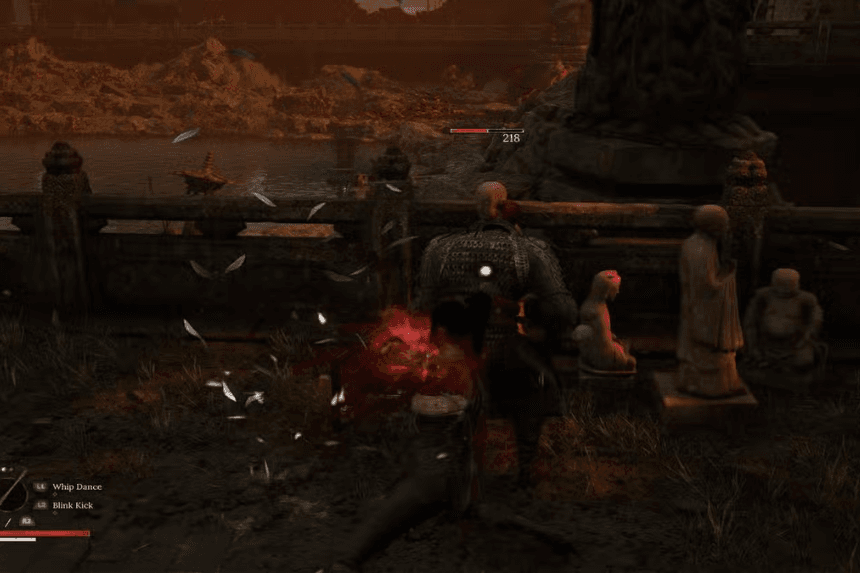
Understanding when and how to use Obliterate Attacks can significantly improve your own combat prowess. Whether you’re building a Benediction-based build that penalizes these finishing attacks, or simply wish to create space during a chaotic fight, Obliterate Attacks are a pivotal mechanic in Wuchang: Fallen Feathers.
Always remember: keep the pressure up, take advantage of the stagger window quickly, and use stealth wherever you can. Master these skills, and you will witness even the toughest of enemies fall to your blade.