
Mafia has never strayed from its quest to hone in on time, place, and setting. Every game has brought the player back to some specific era of organized crime history—back in the times of the Great Depression, post-World War II America, and the 1960s civil uprising. But Mafia: The Old Country brings Hangar 13’s fanbase back further than ever before.
Dropped into the early 20th century on the Italian island of Sicily, The Old Country is an unapologetic prequel to the remainder of the series in tone and in chronology. What does that really mean, though? Let’s take a closer look at the historical window this game is dropped into and why it’s significant.
A New Beginning in Early 1900s Sicily

Mafia: The Old Country takes place during the early 1900s, most likely between 1904 and 1910, according to developer statements and environmental hints included in early trailers. It was a period of social upheaval, political instability, and cultural turmoil in Italy—specifically Sicily, where syndicates of crime were starting to make themselves established in their modern form as the Mafia.
The main character of the game is Enzo Favara, a young boy in a poor Sicilian countryside. Enzo comes of age surrounded by poverty and crime and finds himself caught in the middle of vendettas between families, corruption, and the ascendant control of crime lords in their area. Not only a tale of personal journey but also of how the Mafia ascended from the bitter life in southern Italy.
Early 1900s Sicily was characterized by the absence of central power, mass poverty, and intense loyalties to regions. Crime syndicates occupied the vacuum with their own order system—systematic violence, but family, respect, and control-based. The Old Country brings this world to life in rich detail, presenting a realistic, grounded origin story to players.
Positioning The Old Country within the Franchise Timeline

With The Old Country, Hangar 13 brings the first half of the Mafia timeline to a close. That is where it is lined up compared to the remainder of the games of the series:
- Mafia: The Old Country – ~1904–1910 | Sicily, Italy
- Mafia (Definitive Edition) – 1930–1938 | Lost Heaven, USA
- Mafia II – 1943–1951 | Empire Bay, USA
- Mafia III – 1968 | New Bordeaux, USA
As compared to the earlier episodes dedicated to the American Mafia during its formative and golden years, The Old Country goes back even further to its Sicilian origins, years before these syndicates reached as far as the other side of the Atlantic. Not only does it become more personal and richer in heritage, but also provides players with a different view from where it all started.
A Story of Legacy, Not Familiar Faces

Because of the time period, there aren’t characters like Vito Scaletta or Lincoln Clay returning to the series since they won’t have been born yet for several decades. The game does, however, feel as though it is in the midst of the sprawling Mafia franchise. It establishes the cultural and criminal groundwork that would later affect the 20th-century games’ characters and drivers.
In fact, the majority of the values, codes, and competitions created in this prequel is thematic and perhaps genealogical antecedents to what is felt in the sequel games. It’s more concerning crafting that previous era richly textured, rather than shoe-horning in the allusions to the past.
Why the Time Period Matters
By setting the game in this time frame, Hangar 13 is not just offering a scenery change. They’re grounding the Mafia series in real-world historical fact, exploring what life was like before emigration, before Prohibition, and before American cities being the centers of crime fiction.
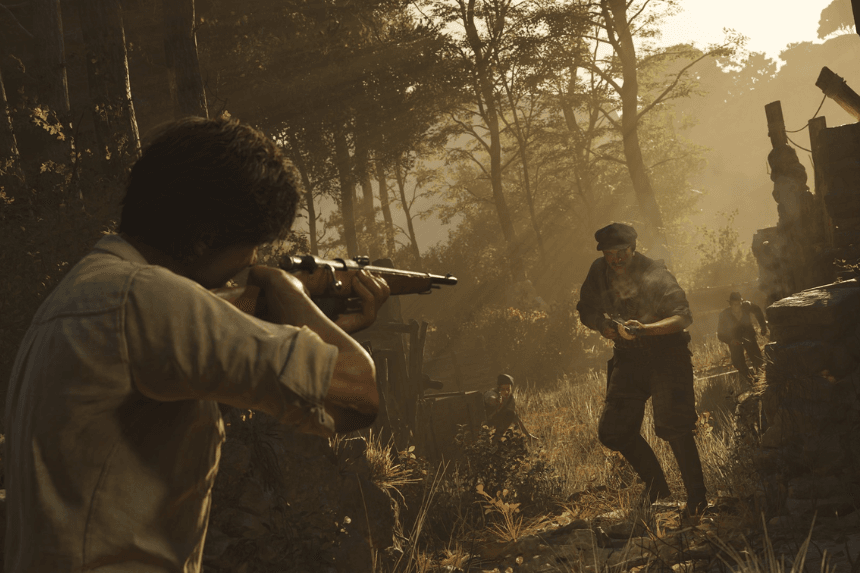
The 1900s provide a richly detailed, character-driven world to tell, the distinction between survival and evil an eyelash thin. There are no cars, with cars around every corner, Tommy guns in every boot—knives, rifles, and nods as powerful as money and bullets.
This timeline also brings the Mafia series back to what it really is: something greater than an open-world crime computer game. It retropaces the film, story-driven roots of 2002’s classic and keeps it open for potential future installments.