

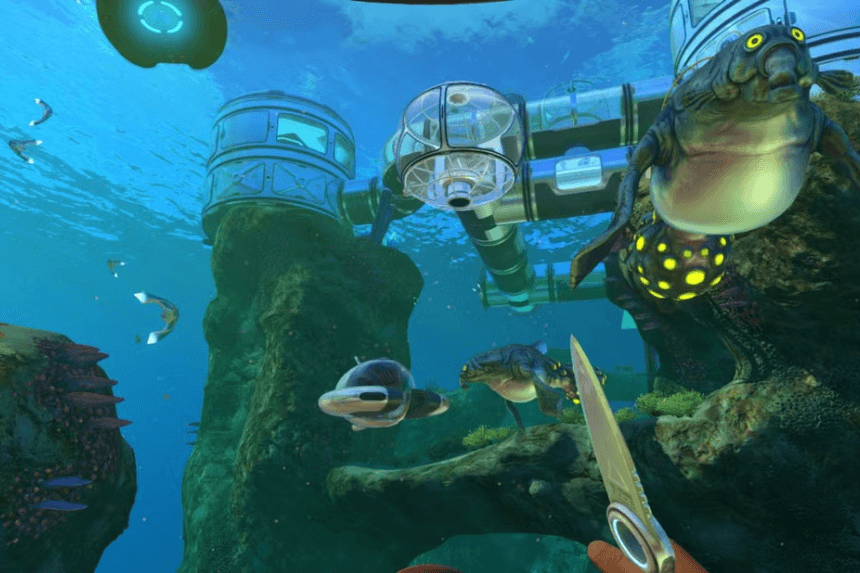
Survival on 4546B is at least as dependent on control of resources as on discovery. Every thing you craft, every alteration you make, and every base you build begins in raw materials scattered around the alien ocean. From the lowest cave in Safe Shallows to the scorching heat of the Lava Zone, every environment holds unique ores, crystals, and organic compounds that push you further into the ocean.
This guide puts you through every one of Subnautica’s raw materials—where they’re located, what they’re for, and why they matter—so you can spend less time wandering around blindly and more time building your path to survival.
Early-Game Fundamentals
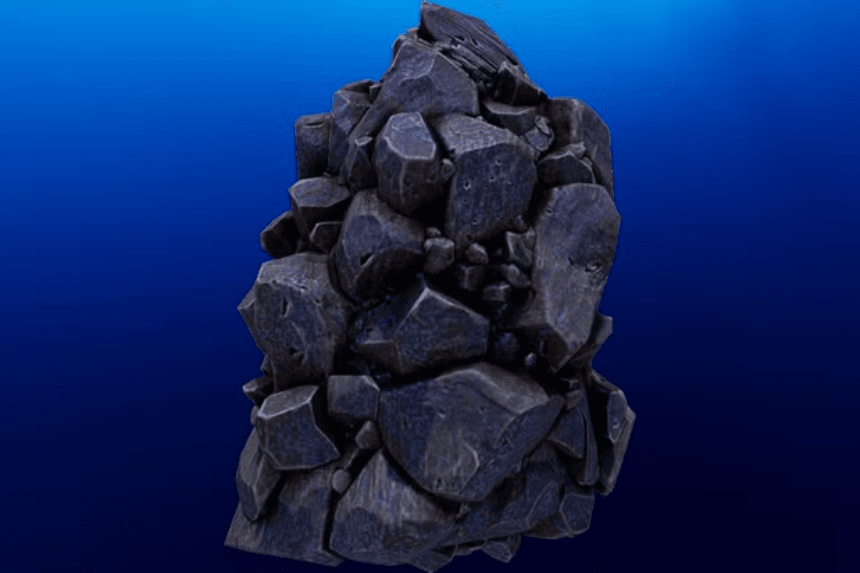
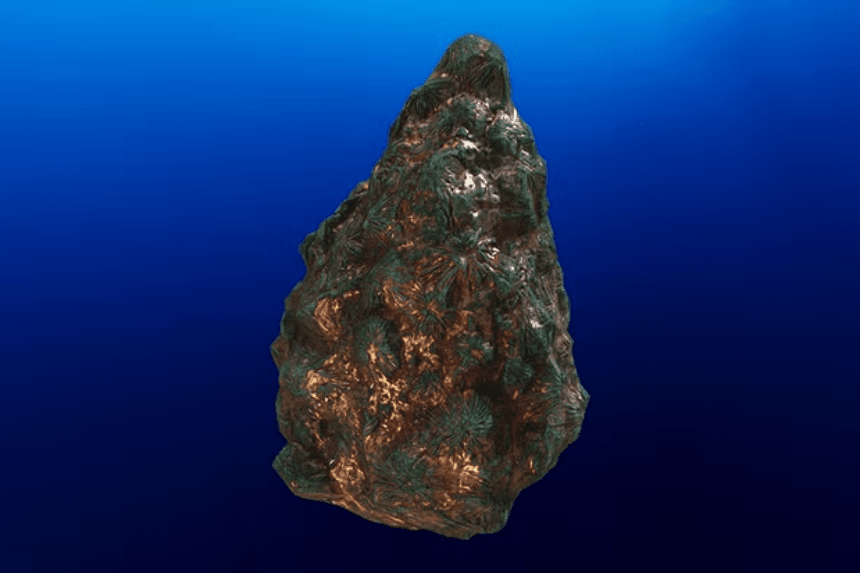
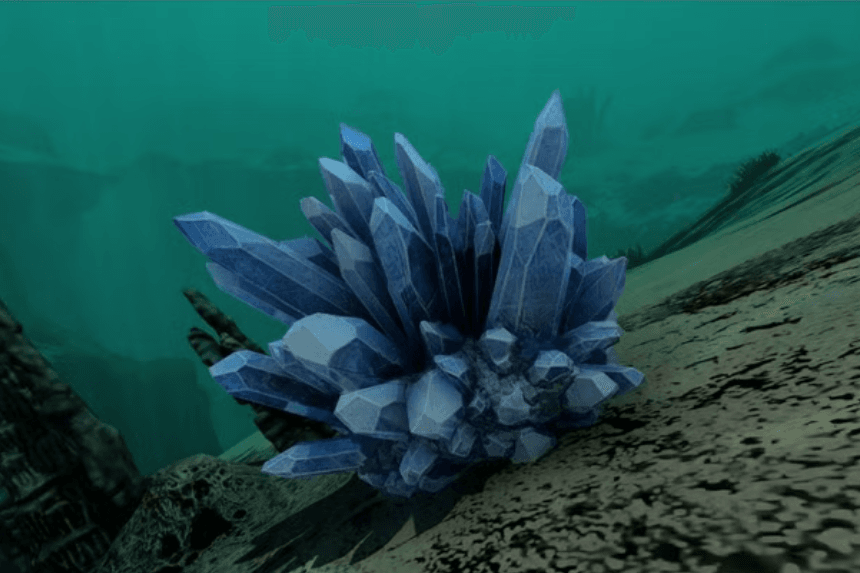
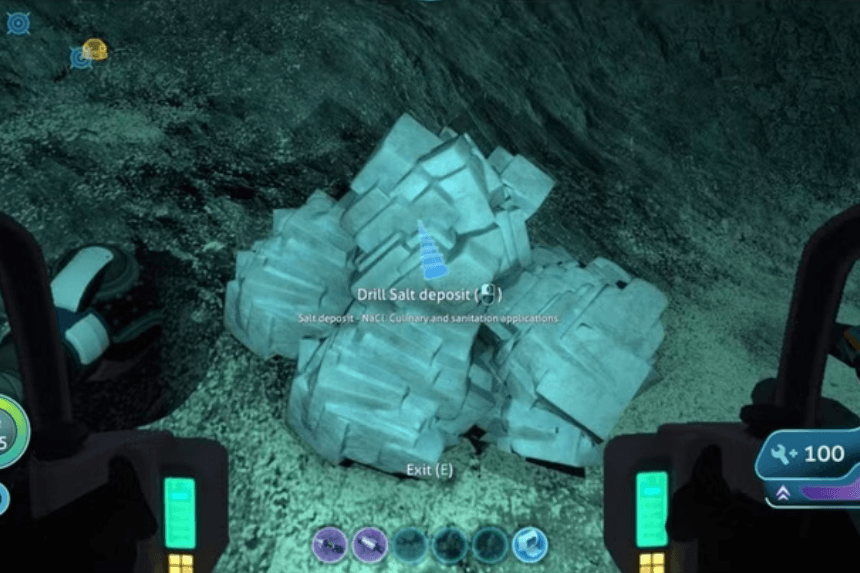
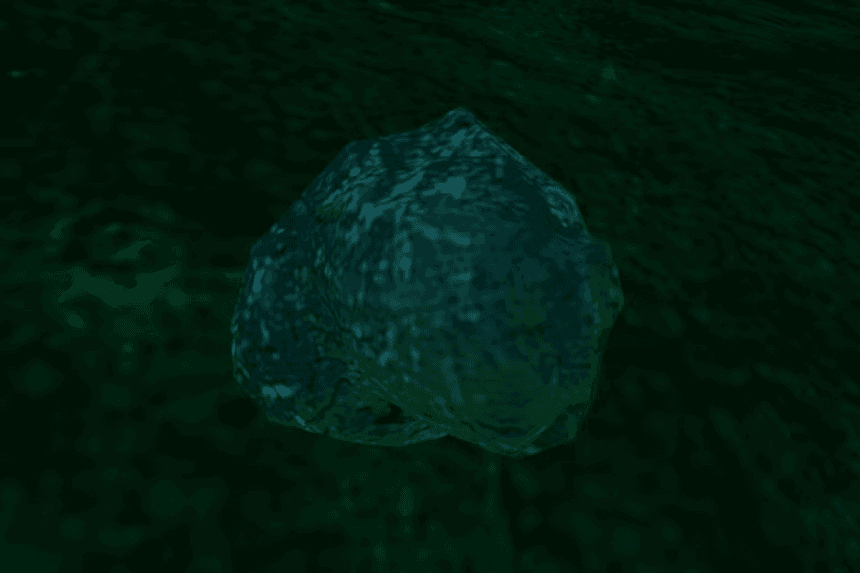
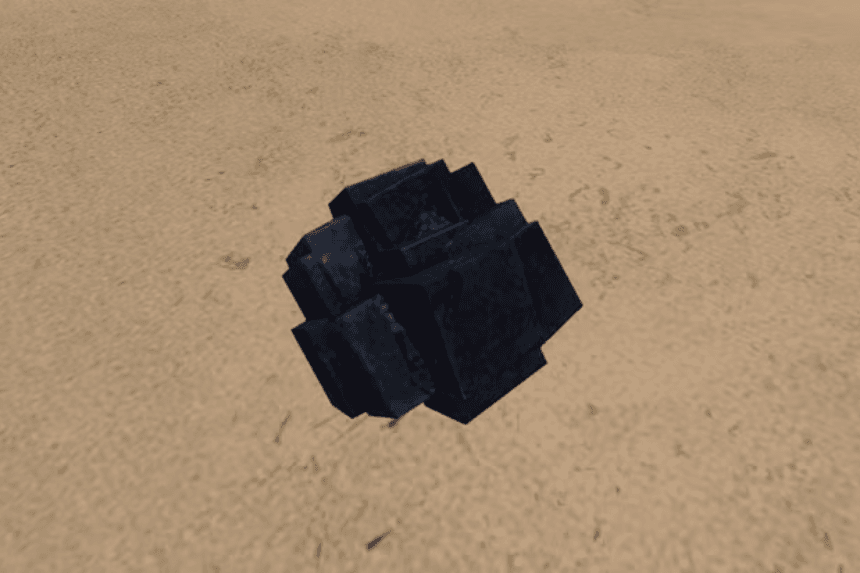
Your early hours of Subnautica are spent gathering the basics that get you to hold your breath longer, swim faster, and create your early tools.
- Titanium is the cornerstone of almost every blueprint. You’ll gather it by breaking limestone outcrops or salvaging metal debris near wrecks, and you’ll be using it constantly for tools, structures, and vehicles.
- In the same shallow zones, you’ll find Copper Ore, another essential material. Copper is the lifeline of your electronics, powering everything from handheld scanners to the Seamoth itself once combined with Acid Mushrooms to make batteries.
- Quartz is also common, its nighttime soft luminescence making it simple to spot on the seafloor or in caves. It crystallizes into glass, which is significant for O₂ tanks and then enameled glass in high-pressure buildings.
- Salt Deposits are not glitzy, but they allow you to preserve fish for long-term food storage and, when combined with coral, to produce bleach for sanitized water. In survival, bleach-waters are among the safest source of hydration you will have.
- Your first set of major upgrades—Radiation Suit, for example—are paid for using Lead and Silver Ore, both extracted from sandstone outcrops. Lead and Silver are the first stepping stones to mid-game electronics and more exploration.
Mid-Game Metals and Alloys
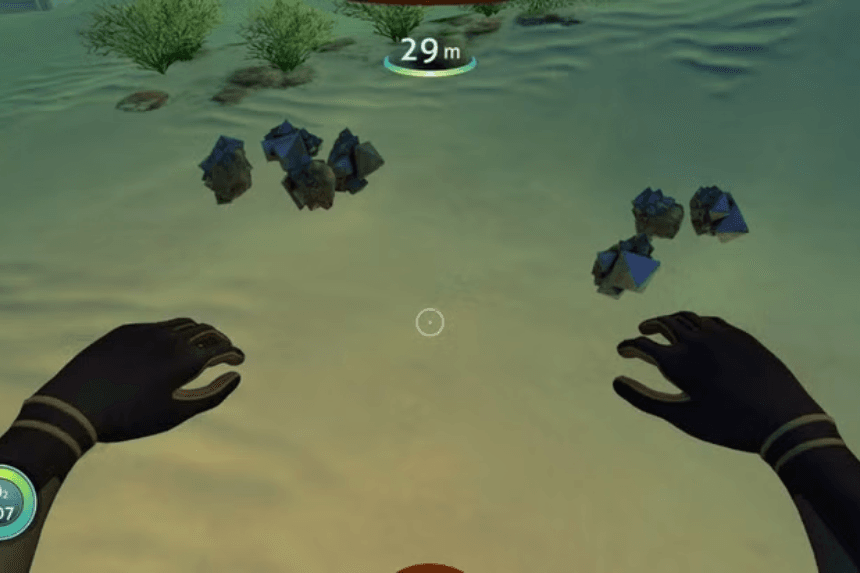
Beyond the security of the shallows, new resources start to emerge.
- Gold, which may be located in exposures of sandstone or down below in caverns, is strictly necessary for the construction of computer chips and high-end electronic upgrades. It’s not quite as exciting as discovering a wreck, maybe, but every high-tech gadget in Subnautica needs it.
- Lithium is the second big find, most often in the Mushroom Forest or at the bottom of deep reef floors. Its crystalline, rosy look is hard to miss, and it defies the extreme pressure of deeper levels from ruining your base. Without Lithium, your habitats will collapse once you expand your structures beyond shallow waters.
- The first real challenge is Magnetite, a black mineral tucked deep into places like the Jellyshroom Caves and Lost River. Its obtaining often means venturing into predator-ridden waters, but it is paid back with scanner room upgrades, HUD upgrades, and torpedo systems—devices which significantly optimize how you move about and defend yourself.
Deep-Ocean Treasures
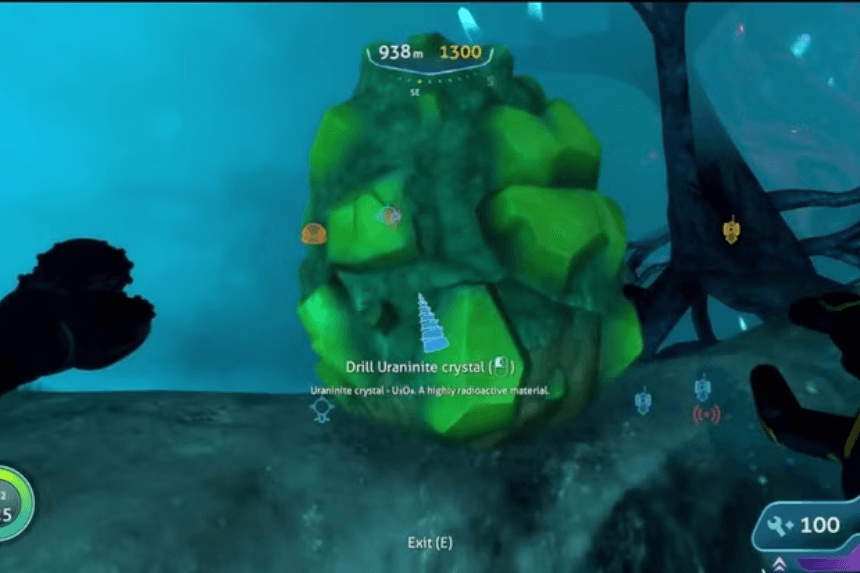


The deeper, the more treacherous is the ocean, and the more out-of-the-way materials you will encounter.
- Nickel Ore lies at the bottom of the Lost River, an important component to boost the Prawn Suit and Cyclops to withstand the high depth of the lava areas.
- Aside from that, blue radiating crystals adhering to the walls of the Inactive Lava Zone, Kyanite, are one of the more significant discoveries in the game. Without them, you are not able to upgrade your vehicles fully in order to access the deepest alien facilities. It is, however, necessary to acquire Kyanite using the Prawn Suit Drill Arm, making it one of the most preparation-requiring materials to extract.
- Another abyssal item is Uraninite Crystal, small green nodules found in underground caverns. They are utilized to fuel the Nuclear Reactor, a premium option for energizing large bases. While not required to finish the game, Uraninite provides efficient, long-term energy.
Crystals and Precious Resources



Some resources are interesting because of their unique role in creating specialized equipment.
- Ruby, the most plentiful in the Blood Kelp Zone and Lost River, is a main component of Aerogel when mixed with Gel Sacks. Aerogel is durable but has low weight, and it is very important for vehicle mod upgrades and the Prawn Suit.
- Diamond, mined from shale outcroppings in the Mountains and Mushroom Forest areas, is equally important. Diamonds are needed to construct the Laser Cutter, which allows you to enter wreck interiors—most of which have important blueprints and upgrades. They are also used in reinforced diving suits, and as such, they are doubly important to survival and discovery.
- Finally, there are Ion Cubes, glowing green crystals found in alien ruins scattered around the Lost River and Lava Castle. They are late-game materials that power up alien technology and produce Ion Batteries and Power Cells. Unlike normal ores, Ion Cubes are not infinite, so use them sparingly.
Organic and Biochemical Resources
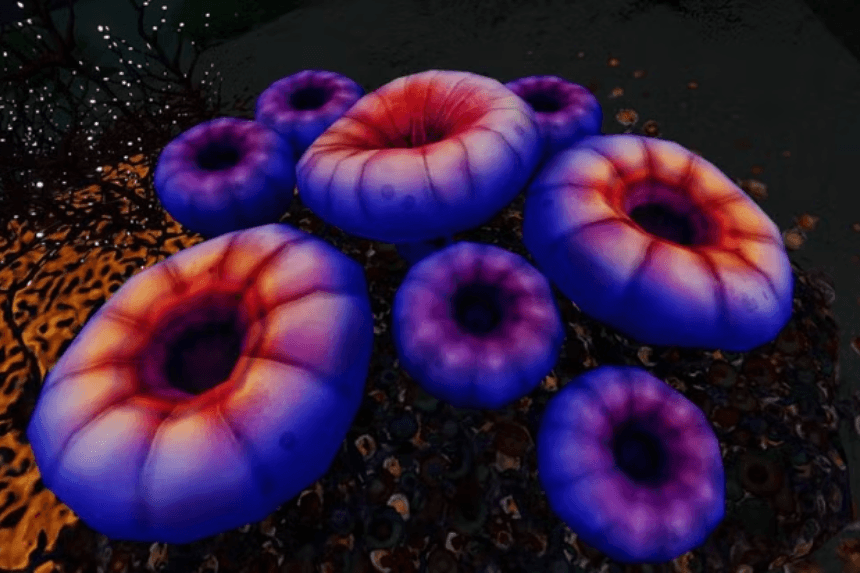


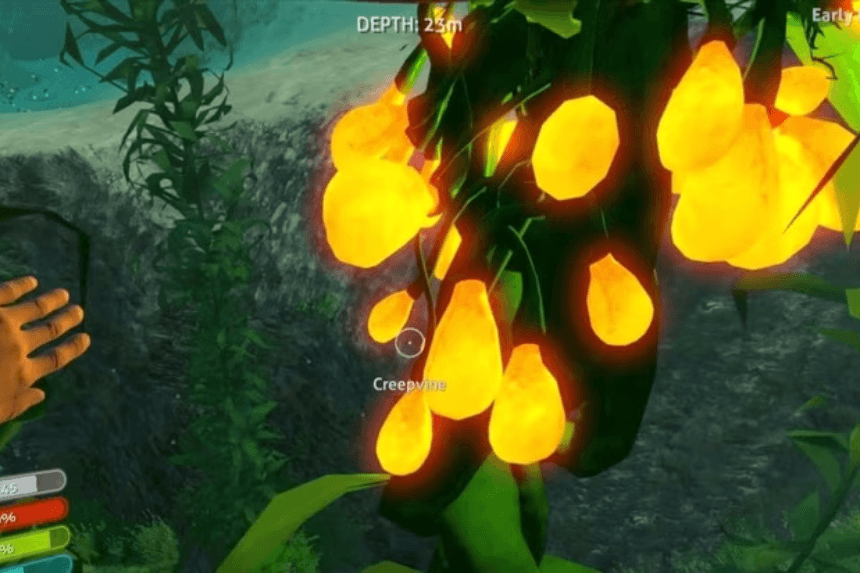
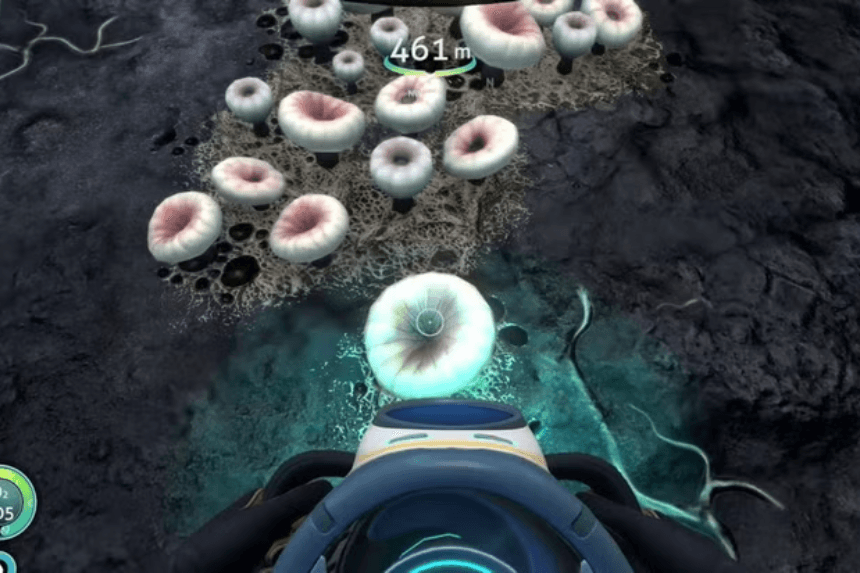

Not all raw materials are crystalline or metallic. Subnautica’s most essential ingredients are several of them from the planet’s verdant (and sometimes lethal) flora.
- Acid Mushrooms, abundant throughout the Safe Shallows, are the foundation for initial power generation when paired with copper to construct batteries.
- Creepvine Samples and Seed Clusters, harvested from the expanses of towering kelp forests, provide silicone rubber, lubricant, and even first-aid kits.
- Gel Sacks are grown far away in caves and deep regions and can be harvested or replanted near your base. Ruby can be mixed with them to create Aerogel.
- Blood Oil and Deep Shrooms, both found in the ominous Blood Kelp Zone, are required in order to craft advanced chemical compounds such as Benzene and Polyaniline. Growing them inside an Exterior Growbed is typically more practical than always exposing yourself to the threats of predator-infested waters.
Smart Resource Farming
Efficiency in Subnautica isn’t hurrying, it’s planning. Having a good plan is putting Beacons down where you come across locations that are rich in resources, so return trips will be significantly easier. Upgrading storage space on your vehicles like Seamoth or Prawn Suit allows you to carry huge payloads without needing to shorten your trips. Agriculture also comes into play: growing Creepvine, Gel Sacks, or Blood Oil near your base allows you to always have organic resources at hand without having to keep dashing into harm’s way.
Subnautica raw materials are not merely crafting materials—they represent your advancement. Early finds like Titanium and Copper allow you to survive; mid-game materials like Lithium and Magnetite give you access to deeper waters; and late-game resources like Kyanite and Ion Cubes bring you to the deepest geology of the planet. Having information about where each material is and planning out your excursions beforehand, you will take fewer risks taken, save oxygen, and slowly edge closer to escaping Planet 4546B.